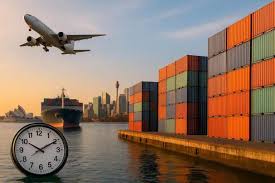
Key Differences Between Air Freight and Sea Freight from China to Australia
When importing goods, one of the most important decisions businesses must make is choosing the right shipping method. Many companies compare air freight and sea freight to determine which option aligns with their budget, timelines, and product requirements. For importers working across the Asia-Pacific region, especially those dealing with air freight china to australia, understanding the strengths and limitations of each mode is essential for planning smooth and efficient supply chain operations. Both air and sea freight offer unique benefits, and the right choice depends on factors such as urgency, cost, cargo type, and overall logistics strategy.
This article explains the major differences between air freight and sea freight, key considerations for Australian importers, and real examples of when each transport option performs best. It also highlights how affordable air freight services from China to Australia for businesses can support faster market entry and improved competitiveness, especially in industries that require quick turnaround times.
Speed and Transit Times
One of the most important differences between air freight and sea freight is the delivery time. Air freight is significantly faster and is often chosen when deadlines are tight. Shipments via air freight china to australia typically take between two to seven days depending on the route, airline schedules, and customs processing. This makes it ideal for perishable goods, high-value items, electronics, and urgent business orders. With the rise of e-commerce demand, many Australian retailers rely heavily on affordable air freight services from China to Australia for businesses that need to replenish stock quickly and avoid customer delays.
Sea freight, on the other hand, is much slower. A standard sea freight shipment from major Chinese ports such as Shanghai, Shenzhen, or Ningbo to major Australian ports may take three to five weeks. While sea freight is not suitable for urgent shipments, it works well for large-volume cargo, bulky goods, and items with flexible delivery timelines.
Cost Differences Between Air and Sea Freight
Cost is another major factor that influences shipping choices. Air freight is more expensive due to fuel charges, quick handling, airport operations, and the premium nature of air transport. Air cargo rates are usually calculated based on either actual weight or volumetric weight, whichever is higher. This means light but bulky items may cost more to ship by air.
Sea freight is generally the most cost-effective option for large shipments. Costs are calculated based on container size, whether a full container load (FCL) or less-than-container load (LCL) arrangement is used. Importers with high-volume goods often find sea freight far more economical. Businesses planning long-term supply chains and stocking strategies often choose sea shipping because it significantly reduces the overall cost per unit.
Still, for some industries, paying more for speed is a worthwhile investment. Many companies today rely on affordable air freight services from China to Australia for businesses that need to stay competitive by offering fast product turnaround.
Cargo Types and Suitability
Not all cargo is suitable for both air and sea freight. Air freight is ideal for small, expensive, or time-sensitive goods such as electronics, fashion items, pharmaceuticals, medical supplies, or samples. Dangerous goods may also be transported by air with special arrangements, though they must meet strict airline regulations.
Sea freight is more suited for large, heavy, or bulky goods. Examples include machinery, furniture, construction materials, automotive parts, and raw materials. Goods that are not time-sensitive or that have predictable seasonal demand are often shipped by sea to minimise costs. Refrigerated containers also allow sea freight to handle temperature-sensitive products like food and beverages.
Environmental Impact
Environmental impact is an increasingly important consideration for many businesses. Sea freight is generally more environmentally friendly per kilogram of cargo transported. Shipping by ocean produces lower emissions compared to air transport, which has a higher carbon footprint due to fuel-intensive operations.
While air freight china to australia offers fast delivery, it is typically chosen when speed outweighs environmental concerns. Some companies offset emissions from air freight through sustainability programs or carbon credits. Sea freight remains the preferred choice for eco-conscious businesses aiming to reduce their environmental impact.
Reliability and Predictability
Air freight is known for its reliability. Airlines operate on tight schedules, and although delays can occur, they are usually shorter compared to disruptions that affect sea freight such as port congestion, weather delays, or container shortages. Air cargo is tracked closely, giving businesses greater visibility of their shipments.
Sea freight, while reliable in general, can experience more external factors that cause variations in delivery timelines. For example, port strikes, customs delays, and vessel capacity issues can extend shipping times. However, sea freight remains a stable and widely used method due to its capacity and affordability.
Customs Clearance and Handling
Both air and sea freight require customs clearance, but the process tends to be faster for air cargo. Airports typically have efficient customs systems designed for high-speed processing. This supports businesses that rely on frequent shipments, especially those using air freight china to australia for fast market distribution.
Sea freight may involve longer clearing times due to the volume of goods and complexity of handling containers. Importers should always prepare accurate documentation to avoid delays, including invoices, packing lists, and certificates of origin. Working with experienced freight forwarders can make the customs process smoother.
Risk and Security
Air freight is generally considered safer for high-value items because airports have strict security procedures. The shorter transit time also reduces the risk of damage or loss. Air cargo handlers follow stringent protocols to ensure products remain secure during travel.
Sea freight carries a slightly higher risk of damage due to longer transit times and container handling. Goods may be exposed to risks such as moisture, rough seas, or accidental mishandling. Proper packing, using pallets, and securing goods with protective materials can reduce these risks significantly.
Flexibility and Frequency of Shipments
Airlines operate frequent flights between China and Australia, offering flexibility for businesses that need to ship goods regularly. This high frequency allows companies to manage inventory more effectively by shipping smaller batches more often. Many retailers, especially those with dynamic inventory demands, use affordable air freight services from China to Australia for businesses that require continuous stock availability.
Sea freight schedules are less frequent but still consistent, particularly on major trade routes. Importers planning bulk shipments usually align their logistics schedules with vessel departure dates.
When to Choose Air Freight
Air freight is the right choice when:
• Goods are urgent or time-sensitive
• Products are lightweight but high-value
• Businesses need quick restocking
• Shipping smaller quantities frequently
• Maintaining product freshness is essential
• Faster cash flow through quicker delivery is needed
Industries such as electronics, fashion, automotive components, e-commerce, and pharmaceuticals often depend heavily on air freight china to australia.
When to Choose Sea Freight
Sea freight is best when:
• Shipments are large, heavy, or bulky
• Cost-saving is a top priority
• Delivery timelines are flexible
• Goods are not perishable or urgent
• Importers want to reduce carbon emissions
Sea freight offers excellent value for businesses dealing with seasonal inventory or large-scale import operations.
Conclusion
Choosing between air freight and sea freight from China to Australia depends on a business’s priorities and product requirements. Air freight provides unmatched speed, reliability, and convenience, making it ideal for urgent shipments and high-value goods. In contrast, sea freight offers lower costs and is better suited for bulk transport and non-urgent items.
Understanding the benefits and limitations of both methods helps importers make informed decisions that support operational efficiency and long-term growth. For businesses that require fast and dependable delivery, affordable air freight services from China to Australia for businesses can be a valuable solution. By selecting the right shipping method, companies can streamline their supply chains, meet customer expectations, and maintain a competitive edge in the Australian market.